



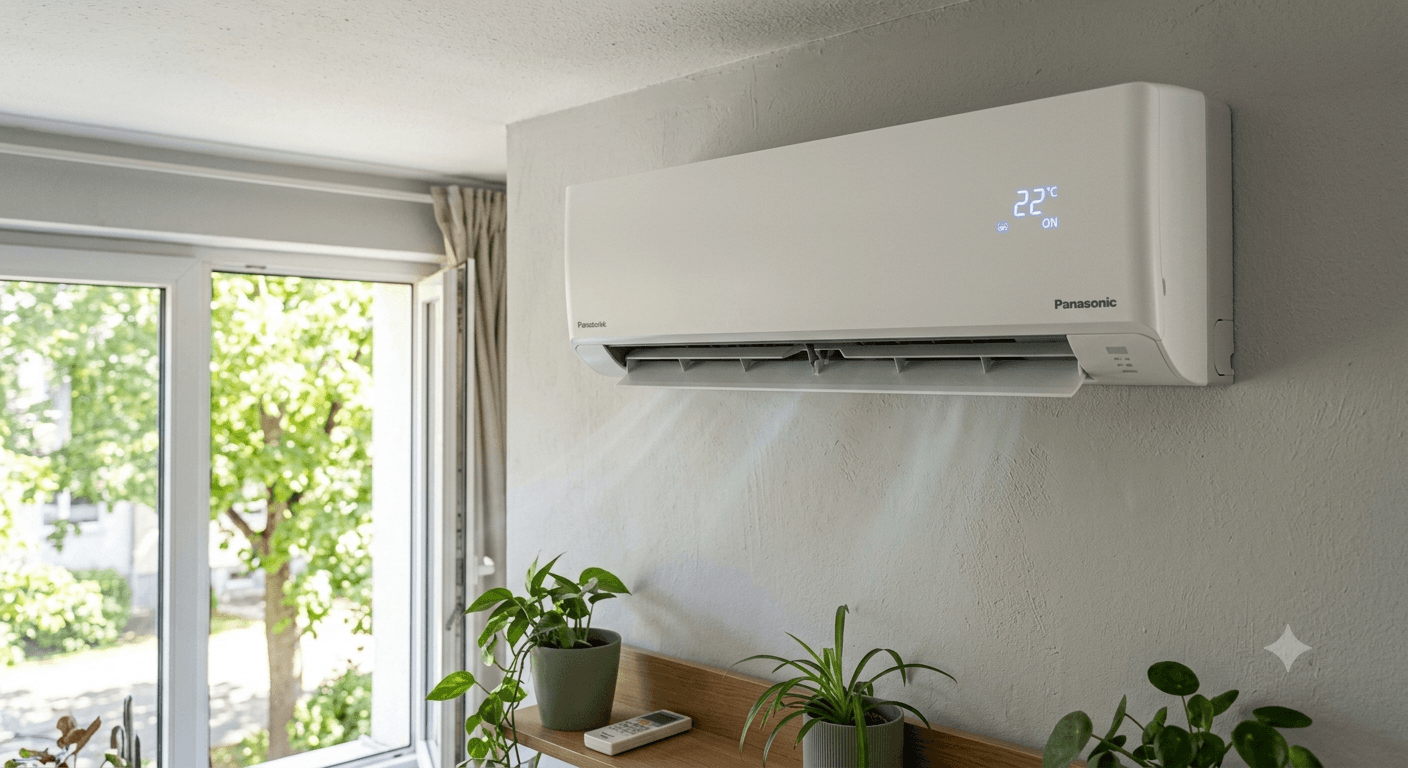
Whether you are living in a sweltering desert city or in a hot, humid city by the coast, the cool breeze provided by the air conditioners makes it easy for us to handle any harsh weather conditions. From tiny window air conditioners to entire central air conditioning systems for buildings, air conditioners come in a myriad of types and sizes. Getting one in your home or office can make a lot of difference in the long run.
In this article, we shall explore some basic essentials about air conditioners, such as how they function, the various types and forms available and their pros and cons. We will also take a look at some tips on air conditioner maintenance, as well as what to look out for if you want to buy a more energy-efficient model.
Contents
How the Air Conditioner functions
A very simple function is at work behind the operation of any air conditioner. This basic function is to transfer the inside air to the outside in its cooler form. They perform this feat by removing the heat present within a room and pushing it towards the outside. A specific chemical compound known as a refrigerant is used by air conditioners. Refrigerants transform from liquid to gas within the conditioner, thereby drawing in heat, which it eventually expels towards the outside. The parts which make up the entire air conditioning system, such as the compressor, condenser and evaporator coil, enable this entire process.
Once the hot air of your room passes by the air conditioner’s evaporator coil, the refrigerant in the coil absorbs the heat contained within the air, thus forming a gas. This gas then enters the compressor, where it gets compressed. After that, it is released through the condenser coil found outside of your room. The air conditioners push all the heat contained within this gas into the atmosphere outside, and when this happens, the gas liquifies, continuing the cycle anew.
This concept clearly explains why there are both an indoor and an outdoor unit to an air conditioner and why it is essential that it is installed correctly and has unobstructed air flow.
Types of Air Conditioners available
Different people are offered different types of air conditioner depending on the budget and the specific size of the room/space they intend to cool. The most commonly available are:
Window Air Conditioners
These are single units that need to be fitted into a window frame. This type is generally cheapest, as well as very easy to install and is suitable for single rooms, commonly preferred by flat dwellers or renters.
Central Air Conditioners
Ideal for cooling an entire building, central air conditioners work by sending cool air through a system of ducts and vents. They are generally considered the most effective type and are ideal for a home of a decent size or commercial use. Central air conditioners do, however, require professional installation and significant upfront investment, though they offer efficient cooling of all rooms without fail.
Portable Air Conditioners
Portable air conditioners are a great alternative if windows cannot be used for fitting an air conditioner, and they consist of floor-mounted units that can be moved from room to room. Despite being very efficient as a last resort, portable conditioners themselves lack some efficiency compared to other types.
Cassette Air Conditioners
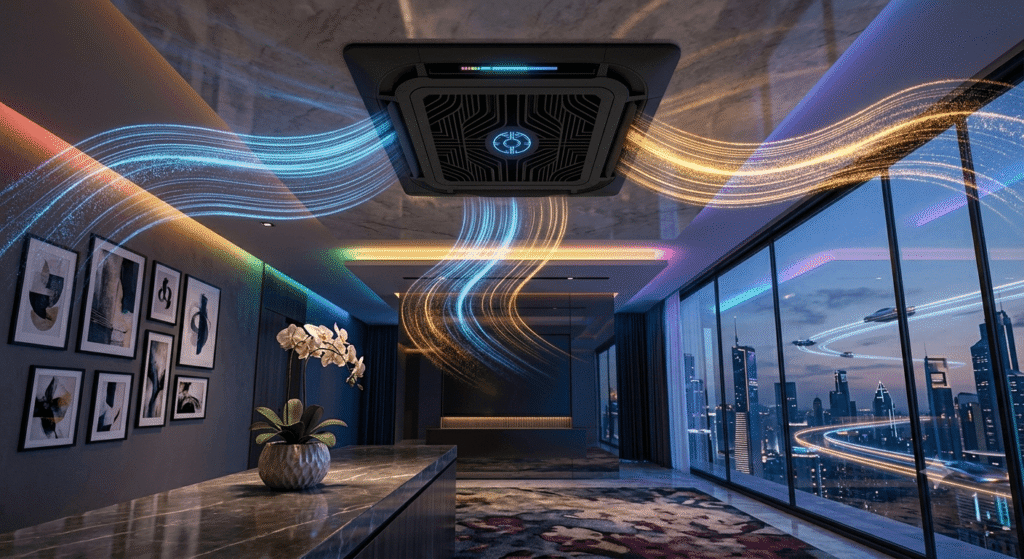
These air conditioners are mounted on the ceiling, directing cool air into a room in several directions. They are frequently installed in offices.
Buying a good Air conditioner
There are many different considerations for purchasing a suitable air conditioner; it is certainly not advisable to buy one solely based on cost, as a more expensive unit isn’t always the best one. Here are a few points you need to consider:
Size of Room and the BTU rating required. Air conditioners have a specific rating, known as the BTU rating, which indicates how much cooling capacity they have. Small rooms under 200 square feet will usually require an air conditioner that is rated at 5,000 to 6,000 BTU; for larger rooms, a higher rating will be needed. Having a unit that is too large can cool a room too quickly while not removing the humidity sufficiently, thus making the room damp.
Energy efficiency.
Having air conditioners that have a high EER or SEER rating would be advisable, as while the units may be pricier initially, you would be saving a lot in electricity bills over the years. A 5-star energy rating is usually ideal.
Climate and Humidity.
If you live in a very humid area, then you would be better off with an air conditioner which is equipped with effective dehumidifying functionality, as that will take care of your needs by eliminating the requirement of two appliances.
Noise level.
Depending on the room where the air conditioner will be installed, an inverter air conditioner might be the better choice. Bedrooms and studies are usually quiet areas where an air conditioner with the lowest possible decibel rating is essential.
Maintaining your air conditioner so that it functions for a long time.
Regular cleaning and maintenance of your air conditioner is essentially the only way for it to keep functioning effectively and reliably for many years.
Clean the Filter regularly
Filters in an air conditioner catch dust particles and allergens; because of this, the unit has to work extra hard, thus consuming more electricity. If the filters are cleaned twice a month in the summer (even four times during very high usage), then you would surely have an efficient appliance.
Check on your outdoor unit
Air conditioners that have an outdoor unit (such as central or split systems) should be kept clear of leaves and other obstructions that might prevent heat from escaping into the atmosphere outside.
Refrigerant leak check.
It’s crucial that the air conditioner isn’t lacking in refrigerant, as it is the presence of refrigerant that helps keep your conditioner functioning. It is advisable to get a technician to look at the amount of refrigerant inside your conditioner about once a year.
Annual servicing.
A service of the air conditioner by a qualified professional once a year should be sufficient to keep your appliance running smoothly and efficiently. It is advisable to service the air conditioner just before the summer season kicks in so that you don’t encounter any problems.
Conclusion
As air conditioners have become so commonplace, they are now more of a necessity than a luxury for most. No matter whether you intend on purchasing a window unit, split or central air conditioner, buying the right unit as well as performing regular maintenance can guarantee you several years of comfortable cool temperatures in your home. Future technological advances continue to provide even more energy-efficient and intelligent units, so having more information about the units available will ensure that you make a wise decision that satisfies you and also the environment.