



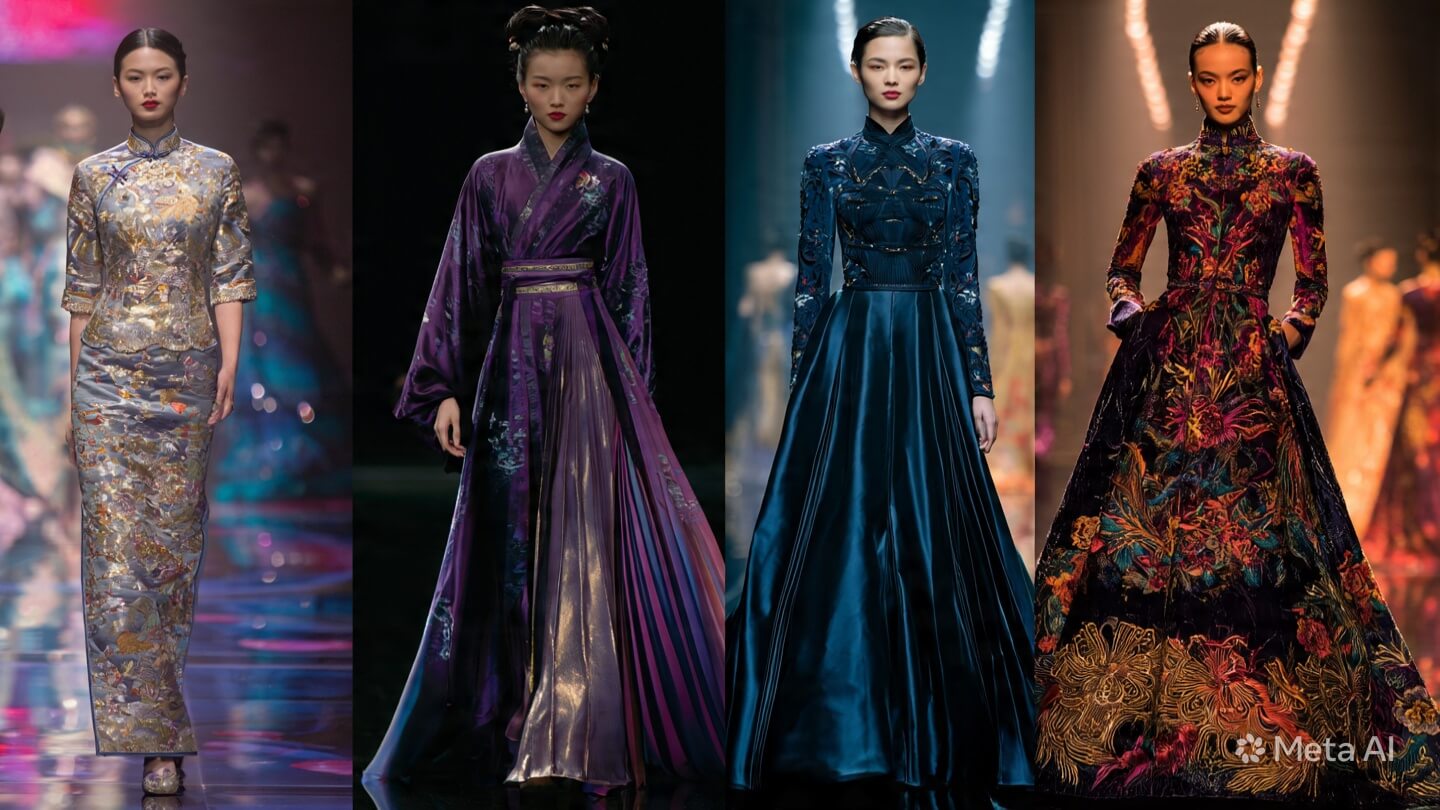
Out of nowhere, silken threads from old empires began winding through modern streets. Instead of fading, they grew bolder – shaped by centuries where clothing meant more than cover. Now, eyes turn toward the east, drawn without force. Runway lights flash in cities once known for quiet courtyards. Meaning slips into seams, color carries history. This isn’t passing interest. It moves like breath, steady and deep, reshaping what Chinese fashion style can say.
The Past Behind Chinese Fashion Clothing
Long before now, deep in time. Silk came from old Chinese fashion – such a rare cloth, it carved paths across continents. During the Han era, a hanfu appeared: loose pieces stacked like art on skin. Draped with grace over shoulders, tied by fine belts at the waist. Not just what people wore but who they showed themselves to be – standing tall by status, shaped by ethics, colored through creativity.
Back then, under the Tang rulers, clothes started taking bolder turns. Wide sleeves flowed on women’s robes, bright shades catching Chinese fashion every eye. Headdresses grew tall and detailed, while footwear told stories through stitching. Routes like the Silk Road slipped foreign cloth into markets, plus fresh ways to color threads. Because of that mix, what people wore felt far from ordinary – somehow both distant and ahead of its time.
A new look emerged under the Qing rulers – the qipao, or cheongsam, began its journey into global style. Not tight at first, it hung loosely on Manchu women who wore it daily. Change arrived in the 1900s; tailoring grew tighter, silhouettes hugging the form, molded by Shanghai’s urban rhythm. Nowhere was safe from its quiet spread, carried in every thread. Still, eyes brighten at the sight – floating down distant catwalks, sitting still in forgotten corners of far-off museums.
Chinese fashion during the 1900s
Out of chaos came change – clothes began shifting along with how people saw themselves through fashion in China during the twentieth century. Not far into the decade, Shanghai took charge – tradition tangled with modern thought in bold, unplanned mixes. While French perfume sat on counters, local tailors sewed qipaos block by block through city lanes. Brightness caught fire whenever actors grinned from printed pages or flickered in dark theaters, coloring a time already rich with glow.
Gray outfits filled the streets through the sixties and seventies, pressing down any hint of individuality beneath waves of uniform grayness. Yet inside their homes, folks clung to quiet hopes for bold cuts and brighter tones. When imports began flowing more freely toward the decade’s close, pent-up fashion exploded forward, sudden as breath after holding too long. Jeans from overseas stepped in first, then rigid coats, next sneakers with grippy soles – none turned away. These pieces, mixed with homegrown tastes, form looks never seen before. From stiffness came motion; from silence, a murmur that grew into rhythm.
Also Read: The Timeless Beauty of Pink Leather Jackets
The Rise of Modern Chinese Fashion Style
Right now, pages turn into Chinese fashion stories like never before. Not copying – these creators shape styles that stand tall worldwide, yet speak clearly from within. Originality drives them, bold and precise, tied firmly to who they are. Their clothes do not whisper. They state.
Out of Beijing came a vision that walked red carpets worldwide. That gown seen on Rihanna during the 2015 gala night opened doors that few expected. Stitch by stitch, history found fresh breath through her hands. While ancient techniques sleep in archives, she wakes them – changed but familiar. Old threads meet bold shapes without apology. Not every masterpiece shouts; some unfold slowly, like silk unfolding under soft light.
Out of nowhere, a wave of younger creators is reshaping how Chinese fashion shows up. Think Angel Chen, Pronounce, Shushu/Ton – each building worldwide fans without chasing trends. Instead of copying, they mix street styles with homegrown visuals that feel personal. Take paper-cut motifs or old factory uniforms – they pull from past worlds but make them look brand new. Nostalgia slips into boldness as it belongs there. This isn’t about tradition versus modernity; it lives inside both at once.
Hanfu Comes Back Through Social Media
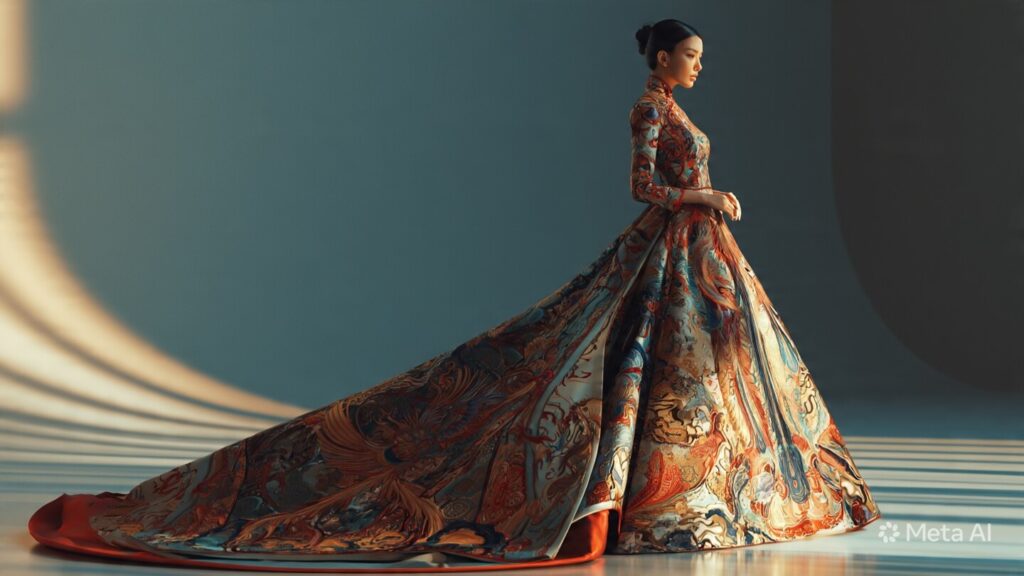
Out of nowhere, a hanfu has surged across the Chinese fashion youth scene. A wave of younger folks now wear these old-style clothes – not just for show but because it feels right. Instead of scrolling past dull posts online, they share rich images among pagodas, pavilions, and misty peaks. Those pictures race through WeChat and Douyin, gathering eyes by the million. Cloth styles once tucked away in history books now flow down city streets.
This resurgence taps into more than trends – it reflects a quiet pride among young people rediscovering their roots. Not driven by global expectations, many now turn to older forms, drawn to verses from the Song era, designs on Ming vases, or the soft strokes in traditional scroll art. What grows through a handful isn’t shaped by ads or slogans, but by personal connection. A feeling emerges naturally, one that planned messaging can never force.
Chinese fashion seen worldwide
Chinese fashion now shapes trends worldwide. Suddenly, homegrown labels grab attention far beyond borders. Called Guochao – a blend of pride and modern flair – it lifts local names onto center stage. Take Li-Ning. Once seen as cheaper copies, they stand tall next to giants like Nike. Anta too steps forward, not just selling shoes but identity. Runways in Paris whisper its name. Even New York crowds pause when these logos appear. Style here isn’t borrowed anymore. It speaks with its own voice. Confidence rises without shouting.
That first walk down the runway in New York changed everything for Li-Ning. Bold Chinese fashion script splashed across sleek athletic cuts caught eyes worldwide. Instead of echoing Western trends, it spoke on its own terms. Suddenly, Chinese fashion wasn’t just watching the fashion dialogue – it stepped right into the center of it.
Out of nowhere, shoppers in Europe and North America began showing real interest in creators from Chinese fashion. Silk weaving – woven slowly, carefully – is pulling them in. Hand embroidery, built one stitch at a time, adds something most places just don’t have anymore. Garment structure, shaped through generations, stands apart quietly. This kind of skill doesn’t come around often elsewhere.
Sustainability And The Path Ahead
Now comes a fresh wave in the Chinese fashion clothing scene, shaped by care for the planet. Not just copying trends, young makers turn to colors from plants, designs that leave no scraps behind, and old clothes given a second life. Long before it became popular elsewhere, people here wove silk gently, colored cloth with leaves and roots, fixing what broke instead of tossing it. In these ways, once routine, they now stand out as quiet examples of how fashion might move forward without harm.
Out of nowhere, some labels tap into age-old knowledge while weaving in clean tech. What shows up? Lines that care for the planet without sacrificing grace. Not so much a trend – more like roots meeting wires. Beauty tagged along by accident. Tradition doesn’t shout here; it hums beneath solar-powered stitches. Surprise: balance feels quiet, not forced.
Conclusion
Bright times lie ahead. Backed by more than a billion consumers at home, fast-growing digital platforms for fashion, while young creators push bold ideas forward, the Chinese fashion style scene stands ready to shape world trends deep into the years beyond.
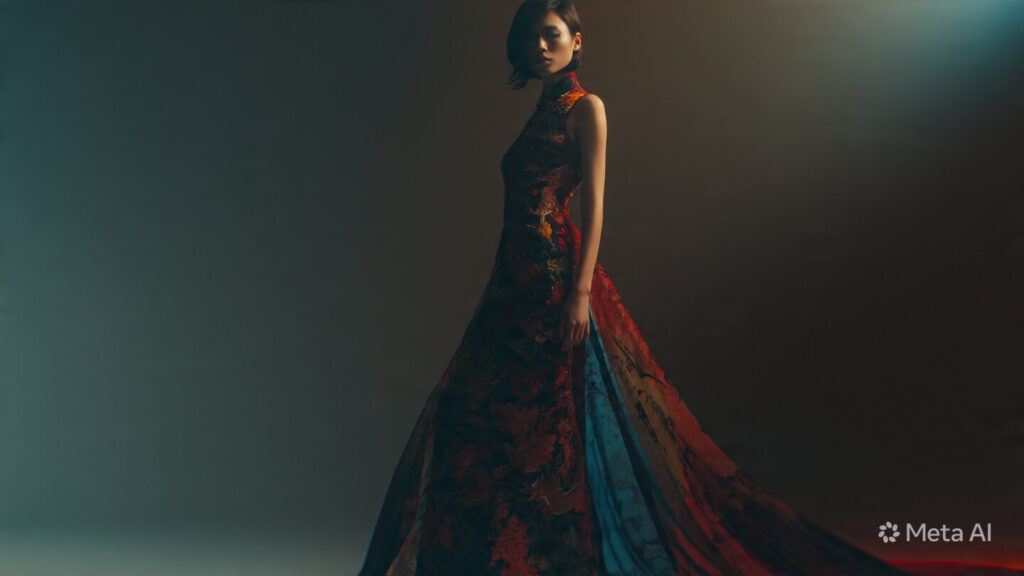
Still changing, Chinese fashion holds the depth of five millennia inside its seams. Not just fabric but meaning lives in each stitched bird, each drape of cloth, each bold brushstroke slapped on urban wear. From old times into now, these details pull history forward, quietly. It dresses more than skin – memory moves through it. A tale unfolds across runways and alleys, one shaped by hands long gone yet still speaking. This craft shows who people are, without shouting. The planet slowly begins to notice what has been here all along.
Out among mannequins under glass, along neon-lit catwalks in bustling districts, even tucked inside phone screens during late-night browsing – there it appears. Thread by thread, history breathes through fabric that refuses to stay past tense. Not every legacy gets louder with time, yet this one does. What comes next feels less like revival, more like arrival.
FAQS
Chinese fashion evolution across dynasties, materials and cultural shifts?
Long ago, China began weaving stories through clothing. In Han times, flowing robes fell softly, held by delicate sashes. Moving into Tang rule, styles shifted – sleeves widened, colors deepened, headpieces grew intricate. Traders along dusty desert paths brought cloth from far lands, changing how fabric was made and colored. Centuries passed. Then came the Qing era, where tight-fitting dresses emerged slowly. One garment stood out – the qipao. It started quietly but traveled beyond borders. Today, its shape still echoes across wardrobes worldwide.
Chinese fashion changes in the 1900s?
Change swept through Chinese fashion clothing during the 1900s. In Shanghai, dressmakers stitched qipaos by hand just steps away from boutiques showing European cuts. Then came decades when bright styles vanished, replaced by dull tones and identical shapes. After borders loosened near the late seventies, fresh looks rushed in – blue denim, stiff jackets, rubber-soled shoes – all twisted with hometown taste. What grew from that mix was something unseen until then.
Chinese Fashion Designers Gaining Global Recognition?
Out of nowhere, young makers in China are shaping clothes that stand apart, shaped more by attitude than imitation. Instead of following paths laid elsewhere, figures such as Angel Chen, Pronace, alongside Shushu and Ton, pull from both alleyway vibes and intimate heritage. Street styles twist together with fragments from the past – think cut-paper patterns, work jackets once worn in state-run plants – now stitched into fresh forms. These looks carry memory but point ahead, not stuck in time. With quiet strength, Chinese fashion voices aren’t just joining worldwide dialogues – they’re setting the pace, rooted in stories only they can tell.
Why Hanfu Matters in Chinese Fashion Now?
Something quiet is happening in streets and cities. Old silhouettes appear on college campuses, subway rides, and spring festivals. These clothes carry shapes from long ago yet feel new again. Because wearers choose them not for show but as something close to who they are. Images travel fast now, helped by feeds where fabric moves like water under sunlight. A poem from centuries past might spark an outfit choice today. So do patterns once painted onto porcelain or unfurled on paper scrolls. What grows isn’t just interest in cloth – it’s how feeling rooted can take visible form. Pride shows up stitched into sleeves, hemlines, collar lines. Not shouted. Just worn.
Sustainability Shapes Future of Chinese Fashion
Not far below the surface, Chinese fashion world shifts without noise. A new wave of makers leans into colors pulled from plants, turning away from lab-made shades. Where old methods once cut freely, now each slice follows a plan that leaves almost nothing behind. Old materials find new life through reworking discarded cloth into fresh designs. These methods echo traditions passed down for generations. Silk once wove slowly by hand, colored with what the land provided. Mending clothes was normal, even honored, part of daily care.
Now, old thinking meets solar-powered mills and low-impact processes. Beauty still matters, yet it walks alongside duty to nature. Global interest rises, drawn not just by style but by how things are made. What lasts isn’t flash – it’s rooted choices showing quiet strength.