



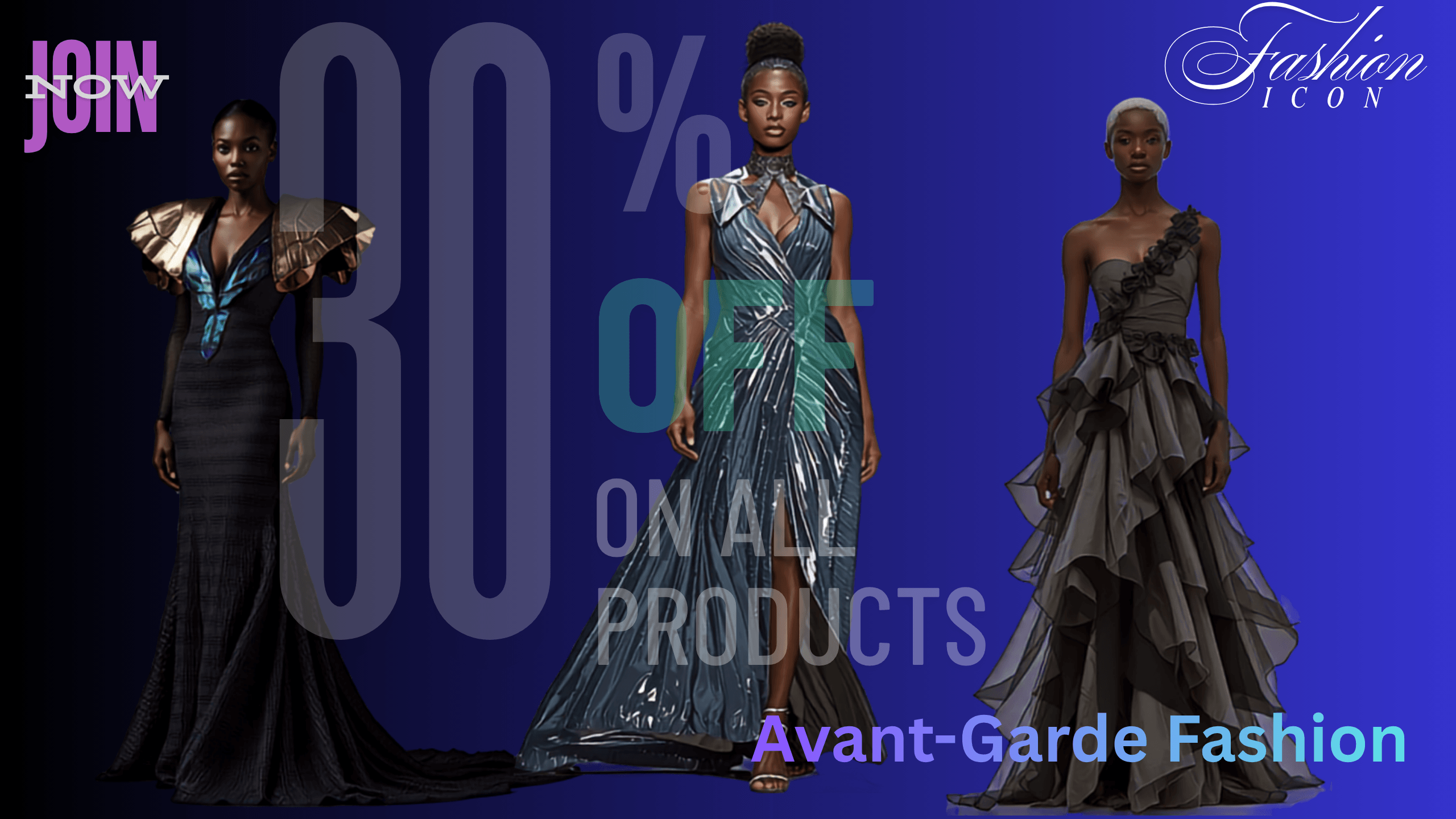
Avant-garde fashion is a movement, a philosophy, and a kind of defiance against convention—not only about apparel. People often envision this look as challenging the fundamental nature of what clothes should be, with strong silhouettes, original fabrics, and patterns. Both avant-garde fashion and mainstream trends differ greatly from one another, as while many mainstream trends prioritise wearability and bulk appeal, avant-garde style seeks to provoke thought in terms of artistic reach. In this article, we will examine the history of avant-garde fashion, its characteristics, key designers, and its place in culture today—and why avant-garde fashion remains a source of fascination for designers and consumers across the world.
The Background of Avant-Garde Fashion
The French military expression avant-garde, which refers to those who explore new territory before the main force, gives rise to the term. Applied to fashion, avant-garde fashion describes designers who lead the way into unmapped creative areas, sometimes years ahead of the main industry catching up. In the early years of the 20th century, the movement took shape under the influence of creative movements such as Dadaism, Futurism, and Surrealism; however, it has also become a distinct entity. These movements turned against conventional beauty in favour of invention, and the avant-garde fashion style accepted that same rebellious attitude.
By the middle of the twentieth century, this technique, closely related to but apart from haute couture, started to show itself as a real creative field. Designers started to consider clothing as wearable art rather than only practical items to be worn. This change created the conditions for the avant-garde fashion boom of the next decades.
Also Read: White Blouse Remains Staple in Wardrobes
Identifying Features of Avant-Garde Fashion
The rejection of fitting in is what really differentiates avant-garde fashion style from other forms. Its past shows several distinctive traits that keep showing up:
- Unusual shapes – Using dramatic forms, asymmetry, and sculptural volumes that challenge conventional ideas of beauty and proportion, this approach usually twists the human form.
- Materials Used in Experimental Work – Designers in this field frequently utilise unusual materials, including metal, plastic, rubber, paper, and recycled items, thereby turning common materials into high-fashion statements.
- Conceptual Storytelling – Every avant-garde fashion house collection has a conceptual or narrative theme, which might incorporate elements such as identity, technology, politics, or the human condition.
- Rejection of Function – Over Form: While functionality and wearability are essential selling points for most apparel, in the realm of avant-garde, they take a backseat to the creators’ self-expression.
- Theatrics – Many runway shows have more in common with theatrical performances than the presentation of actual clothes, using dramatic effects to wow and entertain the audience. It has long since ceased to be mere fashion, evolving into a multidisciplinary space where art, design, and philosophy converge.
- Intellectual Appeal – Avant-garde fashion is for the thinkers, those willing to delve into the deeper meaning of the presented pieces, pondering the message behind the designer’s creative choices.
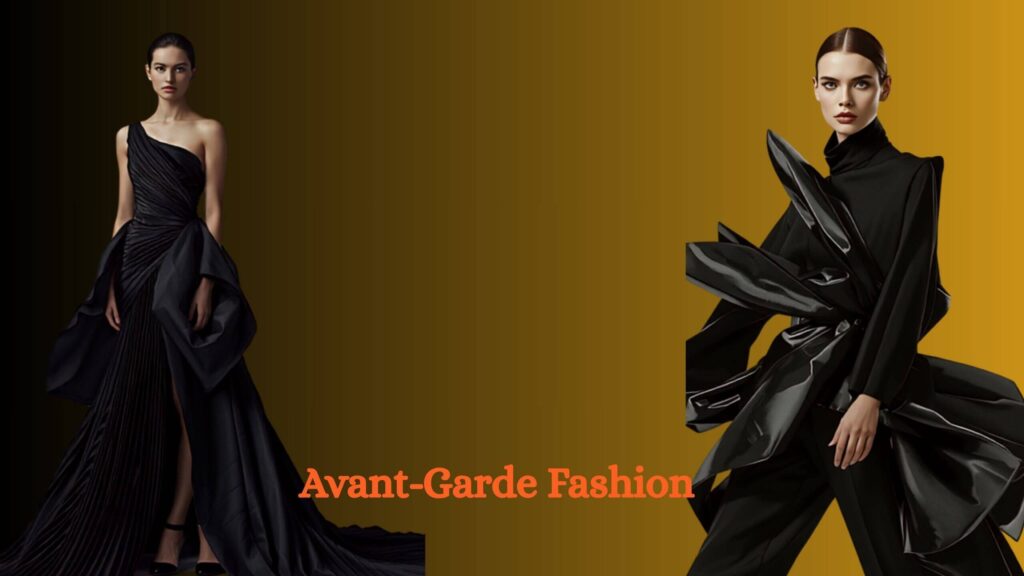
Pioneers of Avant-Garde Fashion
No talk of the avant-garde when it comes to fashion is ever complete without considering the minds that dreamed up this brash and intimidating style. An example of this long-range vision is Rei Kawakubo of the brand Comme des Garçons, who has refined a less-than-delicate approach to androgynous, deconstructed apparel that undermines the very foundations of beauty as we know it. The Avant-Garde was the exact opposite of what normal modelling is, and this example by Kawakubo fully illustrates that.
Another famous representative of the avant-garde is Yohji Yamamoto, also a Japanese designer who was among the first to show his designs outside the traditional fashion system and used dark colours in his collections. These two designers played a significant role in the development of the modern understanding of the avant-garde.
Alexander McQueen’s contribution to the scene was to add more dark fantasy elements to the mix and stage his productions like a genuine theatrical play. He embodied the role of a tortured artist, and his works reflected that in both the concepts and the execution.
Meanwhile, Iris van Herpen’s explorations of 3D knitting and 3D printing have made her one of the most innovative designers of the modern era, continuing to push the envelope in ways the rest of the avant-garde fashion niche is only beginning to dream of. Her work is an example of avant-garde fashion as a living organism, one that constantly renews and transforms with the advancements in science and technology.
Other notable pioneers of avant-garde fashion are Rick Owens, whose contributions to the scene are marked by a heavily dystopian aesthetic, and Martin Margiela, an eccentric enfant terrible who was one of the first to deconstruct the very idea of luxury fashion and reject the cult of the celebrity designer.
Avant-Garde Fashion Cultural Importance
Beyond looks, avant-garde fashion style mirrors the hopes, worries, and paradoxes of society. It has handled issues including social injustice, technology anxiety, environmental crisis, and gender fluidity throughout history. Using clothes as a means of expression, avant-garde fashion style raises the business from simple commerce to actual cultural debate.
Furthermore, this movement usually acts as a laboratory for the larger fashion sector. Many times, shocking or impossible ideas in these collections find their way into mainstream fashion years later, modified for commercial appeal. In this sense, avant-garde fashion clothing serves as the fashion industry’s research and development division, trying out concepts that finally change everyone’s style.
Avant-Garde Style in Current Culture
Avant-garde fashion is still very popular today, both on high-end fashion shows and among subcultures that share its values of uniqueness and defiance. Social media sites have given the movement a fresh audience and let designers present unique works to a worldwide audience that values creative risk-taking. It appeals to young designers since it provides a place where creativity may run free from the limits of commercial viability.
In many cases, Paris, Tokyo & Antwerp host fashion weeks that are locations for experimental clothing design – those events include people who are new to the industry and businesses that have existed for a long time. When museums hold exhibitions that focus on designers like McQueen or Kawakubo, they help to place this type of work within the formal records of art history. To many observers, galleries and museums now view fashion as a category that is valid for study. It is common for those institutions to treat the field as a formal discipline.
Avan-Garde Fashion Importance
Some reviews contend that avant-garde fashion clothing is impractical, exclusive, or apart from daily life. Though most individuals would never wear a full avant-garde outfit to work or school, this critique misses the mark. It is meant to inspire, challenge, and provoke—not for utility. Just as abstract art is not meant to be a photographic replica of reality, avant-garde fashion style is not meant to be ordinary apparel.
By questioning conventions, avant-garde fashion design keeps the whole business active and forward-looking. Without it pushing limits, mainstream fashion would stagnate, recycling the same forms and concepts constantly. Avant-garde fashion design reminds us that clothes may be more than functional; they may be a deep kind of self-expression and creative statement, so guaranteeing that originality stays at the centre of the business.
Final Thoughts
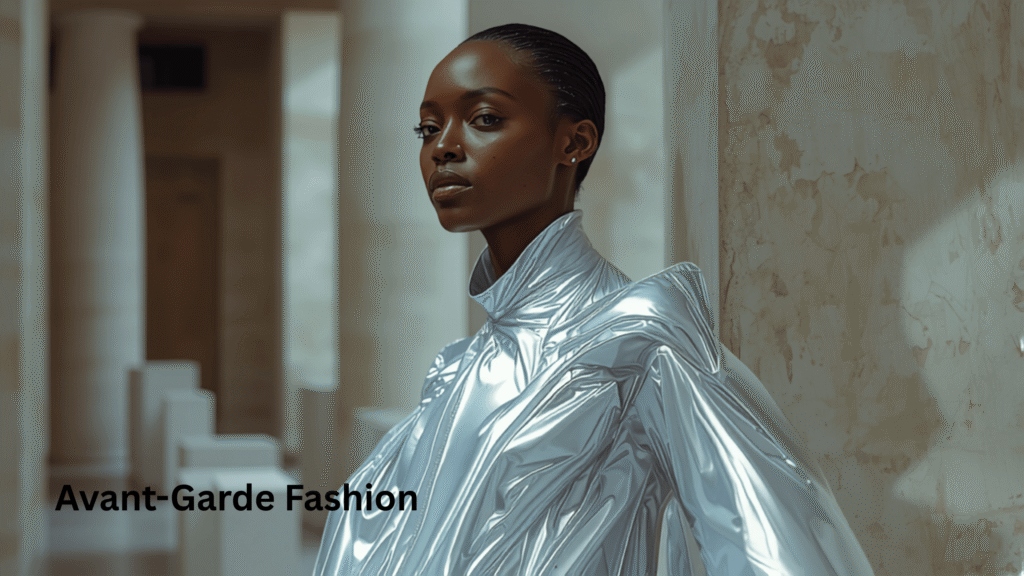
Avant-garde is still one of the most controversial and popular directions in the fashion world. From the early 20th-century art-related avant-garde movements up to the modern-day global catwalks, it continues to serve its purpose – challenging, inspiring, reminding us all what clothing really represents.
Because of Kawakubo, Yamamoto, McQueen, and van Herpen, we saw that avant-garde fashion is indeed capable of representing a highly artistic and intellectually engaging medium. And if ever there are those designers who challenge the status quo and keep the industry from turning into some sort of stagnant traditionalist place, then the trend won’t be going away anytime soon.
FAQS
1. How might avant-garde fashion style be defined?
In terms of newness of idea, look, use, and idea of apparel, avant-garde fashion design may be defined. Fundamentally, avant-garde fashion style seeks means of expressiveness and creativity instead of copying conventional forms of apparel.
2. Most significant avant-garde fashion designers are
Some of the best avant-garde fashion designers include Rei Kawakubo, Yohji Yamamoto, Alexander McQueen, Iris van Herpen, Rick Owens, and Martin Margiela. Their creativity and invention have helped to revolutionize current style by means of originality.
3. How to distinguish Avant-garde fashion from other common clothes?
Avant-garde fashion has its own philosophy that implies the necessity of self-expression and experimentation,n which sometimes creates new fashions, while conventional fashion trends are used to create comfortable and practical clothing.
4. Should vanguard fashion be worn daily?
Not always. Although some avant-garde works are meant for daily use, many collections are made as artistic statements or runway ideas. These styles point to future fashion developments instead of useful daily clothes.
5. In what ways is avant-garde fashion important within the commercial clothing industry?
As designers use this style, they create more original works because the approach requires them to invent new methods and test unfamiliar concepts. It is a tool that establishes patterns for what people will wear in future years, and it is a force that changes how the garment business functions over time. By presenting those designs, creators question standard ideas about what is attractive.