



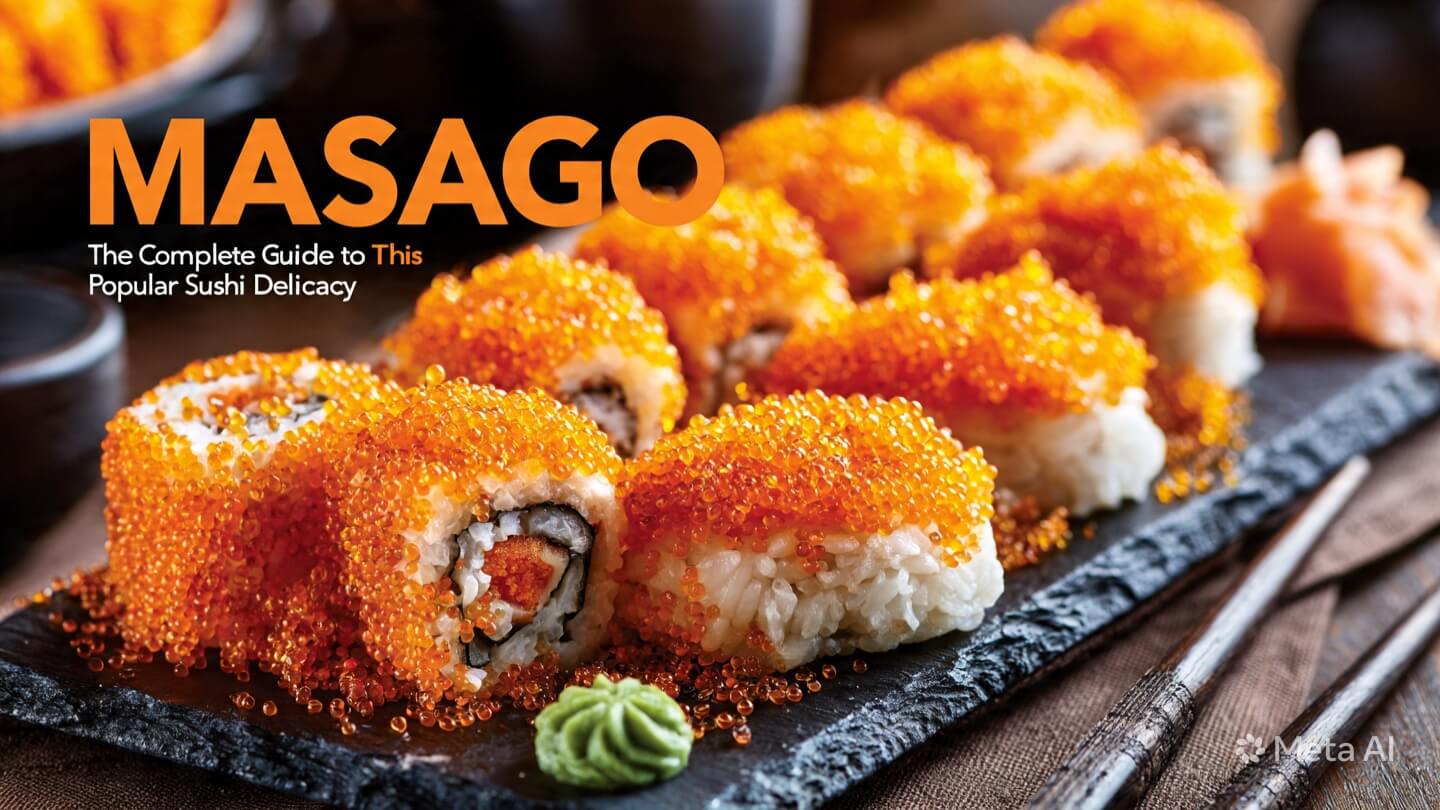
Little orange specks on your sushi? That’s masago, common in Japanese dishes everywhere. Found globally in rolls and bowls, it draws interest not just for colour but also for what it brings to the plate. Spot it near wasabi or tucked into seaweed – it stands out. Knowing more about this small topping shifts how you see both flavour and nourishment. Not flashy, yet present in so many bites people savour daily.
What Is Masago?
Tiny orange beads on sushi? Those come from a little ocean dweller called capelin. Found across chilly stretches of the North Atlantic, North Pacific, and Arctic seas. These small, silvery fish play a big role in the balance of marine life. Their eggs – known as masago – are common in many Japanese dishes. Not quite like larger roe types; each grain is under a millimetre wide.
Because it breeds quickly and is abundant, harvesting remains gentle on the environment. A small crunch comes through when you bite into it, bringing quiet depth to dishes. Often dyed bright colours, though it naturally leans pale yellow. A favourite for garnishing rolls without overwhelming taste. Despite its modest look, it carries an ecological importance far beyond plates.
Most people do not realise that masago starts light yellow. Yet once soaked in colouring, it turns bold – orange, sometimes red, even green or deep black. Chefs find this shift useful when arranging food that needs contrast. With just a sprinkle, plates gain both vividness and crunch. Colour matters more than many expect.
Masago vs. Other Fish Roe
Some folks mix up masago and tobiko – both tiny, bright seafood bits common on sushi rolls. Not quite the same, though; one’s a touch tinier, softer when you bite into it. Cost plays a role too – it usually comes at a lower price point, so chefs often reach for it instead. Its flavour leans gentle: faint sweetness meets saltiness, like sea air on your tongue. That quiet profile lets it slide right alongside stronger tastes, never hogging attention.
Smaller by far than salmon roe, masago feels softer between the teeth. A quiet snap replaces the loud pop of ikura when bitten. Flavour spreads gently here, nothing bold or sharp like its counterpart. Quiet, this feeling – less bold than the deep flavour of bigger eggs. It hangs back, barely making a sound.
Nutritional Benefits of Masago
Right away, it shows promise – masago brings real value to your plate. Packed with omega-3s, it does its part for heart and mind, also easing internal swelling along the way. All that fits inside a single spoonful, quietly doing its job. Not bad for such a tiny bite.
Protein quality matters, so finding foods like masago helps fill the gaps. Packed with every essential amino acid, it supports bodily functions without extra effort. When counting calories becomes part of a daily routine, this tiny ingredient stays light on numbers but strong in value. Nutrient density stands out here – offering much more than its size suggests. Eating smarter often means choosing small things that deliver big results.
Tiny fish eggs pack a punch with B12, known for keeping nerves sharp while helping build red blood cells, too. Vitamin D shows up alongside, adding its own role in the mix. Inside your body, selenium takes charge against harm, acting like armour thanks to its antioxidant power. When it comes to bones staying strong, plus keeping immunity active, vitamin D from masago plays its part quietly but surely.
Also Read: Soghat e Sheerin Sweets and Bakers: A Delightful Journey of Flavors
Culinary Uses of Masago
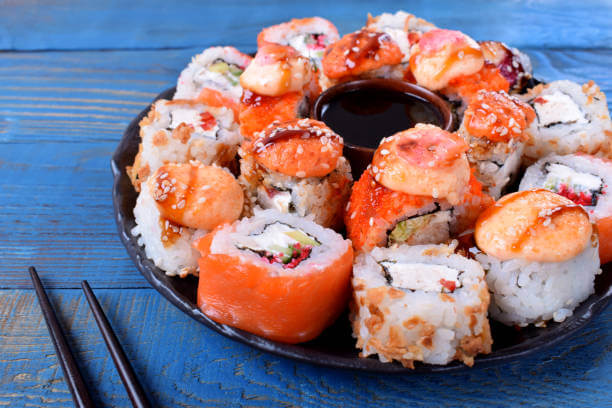
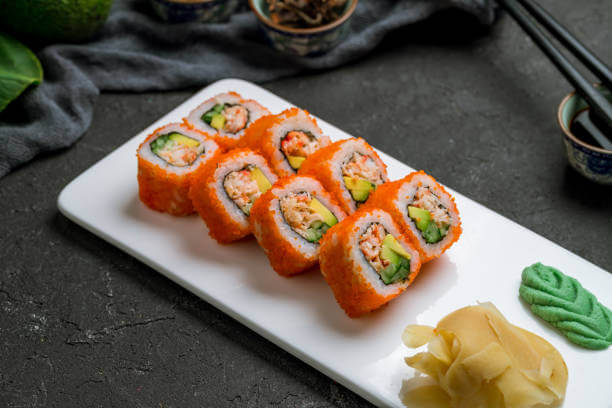
Out at sea in flavour territory, masago pops up in all kinds of kitchen moves. Sushi spots tend to sprinkle it on top – or blanket rolls entirely – with that bright orange crunch stealing the show. Take the California roll, known just about everywhere – it’s outside often shimmering with tiny beads of masago, adding snap against soft fillings.
Out past sushi, masago sneaks into plenty of today’s recipes. Poke bowls get a bright sprinkle of it, bringing sharp saltiness that lifts raw seafood just right. A dash finds its way into dressings – stirred with mayo for heat – or lands gently atop grains and slurpy noodles alike.
Out of nowhere, someone might sprinkle masago over avocado toast – no warning, just done. A different person could blend it into cream cheese first, then spread the mix on a bagel slowly. Warm pasta accepts it easily, stirred in with little effort at all. A pinch on deviled eggs brings a bright pop that others notice. Dishes change shape when masago shows up out of nowhere. New tastes appear where you least expect them. Cooking the usual suddenly feels different.
Storing Masago
Most folks overlook how much care Masago needs once bought. Right after picking it up, slide it into the fridge – this keeps things tasting sharp. Once cracked open, eat it quickly, ideally within a couple of days. Need more time? Slipping it into the freezer does the trick – it stays good for about six months when packed away properly. Take it out one evening prior to serving, giving it chill time to ease back gently.
Stored properly, masago keeps best when sealed tightly – this stops it from picking up smells lingering in the fridge. A fresh batch will carry a crisp scent, like sea air, never anything pungent or sour.
Health Considerations
Though small, masago packs a strong sodium punch – something to watch if salt levels matter. From time to time, people checking blood pressure might find this tricky. Anyone reacting badly to seafood stays clear, since even tiny amounts bring risk. Allergic responses show up fast, so caution makes sense here. Nutrients come through loud, yet the body does not always welcome every part.
Most times, it’s okay to eat masago if you know where it came from. Starting a pregnancy doesn’t mean saying no to everything right away – just check with your doctor first. From some stores, the stuff stays fresh longer than expected. When handled well, risks drop more than people think. One thing matters most: trust who packed it.
Sustainability Concerns
Out at sea, capelin numbers might drop when too much masago gets taken. Healthy oceans depend on how carefully we collect these tiny fish eggs. Instead of just buying any jar, pick ones where the source tracks its impact and avoids harming fish stocks.
Out in the cold waters, tiny capelin feed big players like cod, whales, and diving birds. When nets pull too many up, those eaters feel the loss downstream. Fishing methods matter more than most think – some crews leave enough behind to keep the chain intact. Masago from such spots slips onto plates without breaking the balance elsewhere. The ones who watch their catch size help oceans stay linked as they should.
Where to Buy Masago
These days, spotting masago isn’t hard – Japanese dishes show up everywhere now. You’ll find it tucked away in Asian markets, niche food shops, and even websites that ship groceries. Bright hues mean quality, so check the colour first thing. A clean scent matters just as much. Cold storage? That’s non-negotiable if you want freshness.
These days, you will find masago tucked into international aisles or near fresh fish at numerous grocery stores. Priced according to origin and grade, it still sits as a budget-friendly pick among fish eggs for shoppers.
Conclusion
Tiny bursts of colour pop across plates where masago lands, bringing more than looks to the table. Not quite crunchy, not fully tender – cooks grab them for that middle ground. From city restaurants to village stoves, tradition mixes with trial using these tiny beads. The flavour sits back, gentle and slightly sweet, giving neighbours on the plate space to speak.
Each bit carries hidden helpers: protein tags along, B vitamins tag up, doing their part without noise. Omega-3s come along too, slipping into meals without fanfare. Not loud, never overpowering – just present, doing its part. Even in simple rolls, it lifts the whole bite higher. Home cooks toss it on bowls; restaurant plates cradle it with care. It does not shout. Yet somehow, everyone notices when it is there.
When it comes to trying something fresh in the kitchen, masago might just surprise you – no matter if you love sushi or simply enjoy testing out new tastes. Not hard to find, it works well in many dishes, bringing its own distinct texture and colour. You see it sitting there on a roll or tucked between plastic layers at the market – it suddenly means more once you know what those small beads actually offer. Tiny they may be, yet loaded with both taste and nourishment worth noticing.
FAQS
1. What is masago?
Fish eggs from capelin – those little creatures swimming in chilly seas – go by the name masago. Tucked onto sushi, scattered over rice, or added to seafood plates, they show up often in Japanese cooking.
2. What does masago taste like?
Out of nowhere, masago hits the tongue with a gentle saltiness – just a whisper of sweetness tagging along. Crunch comes through, though it plays second fiddle to softness when stacked against bolder cousins such as ikura. Not loud at all, it’s pop feels more like a quiet snap than an explosion. Tobiko? That’s another story – one where texture shouts while masago murmurs.
3. Is masago a healthy food?
Absolutely yes, masago contains proteins, omega-3 fats, B12 and D vitamins, selenium, and some others, which positively affect the health condition; however, masago may be rich in sodium; therefore, consume this product in moderate quantities.
4. What is the difference between masago and tobiko?
From capelin fish, masago takes its origin – tiny beads that feel tender between teeth. Flying fish lay the eggs behind tobiko, known for popping louder when bitten. Smaller in shape sits masago, often lighter on price tags, too. A firmer snap greets you with tobiko, along with tastes standing out more sharply.
5. How should masago be stored?
Keep masago cold, inside a sealed box. After opening, eat it quickly – just a couple of days max. If you need more time, freeze it; it lasts months that way. Pull it out slowly, let the fridge warmth bring it back before eating.