



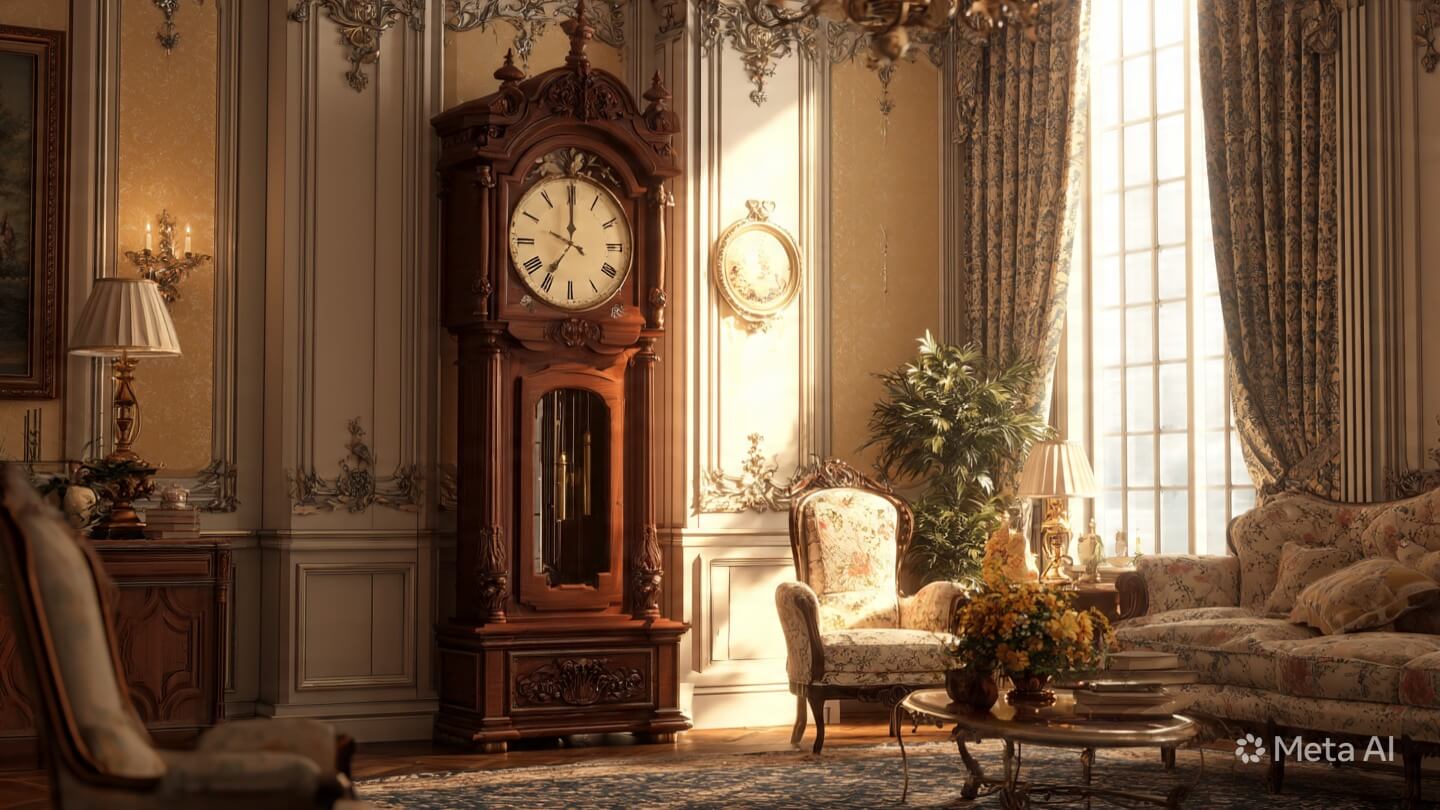
Standing still, the tall grandfather clock guards rooms in silence. Light slips across its wooden body, carved by fingers skilled through years of hush. Not hurrying like today’s machines, it glides ahead, pulled by mass and swing. Stillness shapes its rhythm. You might hear its voice just before silence returns – clear tones cutting through stillness. Found in old manors or small houses alike, it fits wherever time feels heavier.
Not everyone notices at first, yet few forget how it fills a room once seen. Centuries pass, styles shift, but its form stays rooted in something older than trends. More than numbers ticking off minutes, it carries stories built into each curve and joint. Softly it shifts, never loud. Some see machinery deep inside, others catch traces of tradition folded into its frame. Made slowly on purpose, meant to remain, it steps clear of throwaway rhythms. Silence leads here, not noise.
Around it, minutes seem to slow, almost bowing, as though time itself hesitates just close by. Wood grain tells age, too – not flaw, but proof of years held gently. It does not shout importance; instead, it earns space by simply being there. Each chime lands softly, marking moments people often miss. Breathing finds space when the pace drops low. Stillness arrives without warning. A quiet pulse takes over, unhurried, clear.
The Story Behind the Tall Pendulum Clock
A step through time begins with a click. From England came William Clement, shaping the first tall grandfather clock near the end of the 1600s. Around 1670, he developed the anchor escapement mechanism – this change allowed the grandfather clock to grow taller. His breakthrough made vertical cases practical. Because of that change, a longer pendulum fits inside – giving the piece its signature rhythm. Earlier versions lacked such steady motion, often losing minutes each day. With balance came accuracy; beauty followed close behind. Precision stepped forward once the swinging rod took center stage.
That tune from 1876 changed everything. A man named Henry Clay Work penned lyrics about a towering timepiece halting when its keeper passed away. Because people played it so much, the nickname caught on fast. Suddenly, every similar grandfather clock stood under that warm label. Though earlier terms like longcase or tall-case had been standard before. What stuck was not what experts said but what folks sang at home.
Back then, in rich homes across Europe and America, tall grandfather clock stood like silent symbols of status. Not just timekeepers – these pieces drew rivalry among skilled makers in England, Germany, and beyond. Some used rare wood, others painted faces by hand, while gears gleamed with careful detail. A well-made one didn’t simply tick – it whispered elegance without saying a word. Handwork made these objects last, valued in ways similar to art on walls or forms carved from stone.
Also Read: Buy Roller Shades and Solve Your Window Shades Problem
Anatomy of a Grandfather Clock
Start at the top when getting to know a grandfather clock. Above everything sits the hood – this part holds the face and inner workings. Decorative columns might run along its sides, with carved edges adding detail. A view of the dial comes through a tiny pane set in the front. Below it rests the waist, rising tall at the center. Inside, the pendulum moves without pause, slow in its path. Each arc follows the last, smooth and unchanged. It keeps its rhythm without fail. At the very bottom rests the base, sometimes called a plinth. That piece keeps the whole frame upright and secure.
Deep inside a grandfather clock, you will find the movement – sometimes known as the guts – which holds gears, either springs or weights, while also including an escapement that controls how energy flows out. Weight-powered designs dominate here, so instead of springs, heavy masses hang down, inching lower over time to keep everything running. To wind it up, people usually tug on a chain or fit a key into a winding point, lifting those dropped weights again. This small routine repeats every week for those who care for such a grandfather clock.
Left to right it moves, this swinging weight inside the tall grandfather clock catching eyes without trying. Steady motion brings that familiar tick followed by tock, a pair of sounds wrapping minds in calm thoughts about moments passing by. One beat every second marks certain versions, their rhythm sharp and quick like breaths. Others choose slower pulses through wider arcs, lending gravity to every shift forward or back.
The Chimes of a Grandfather Clock
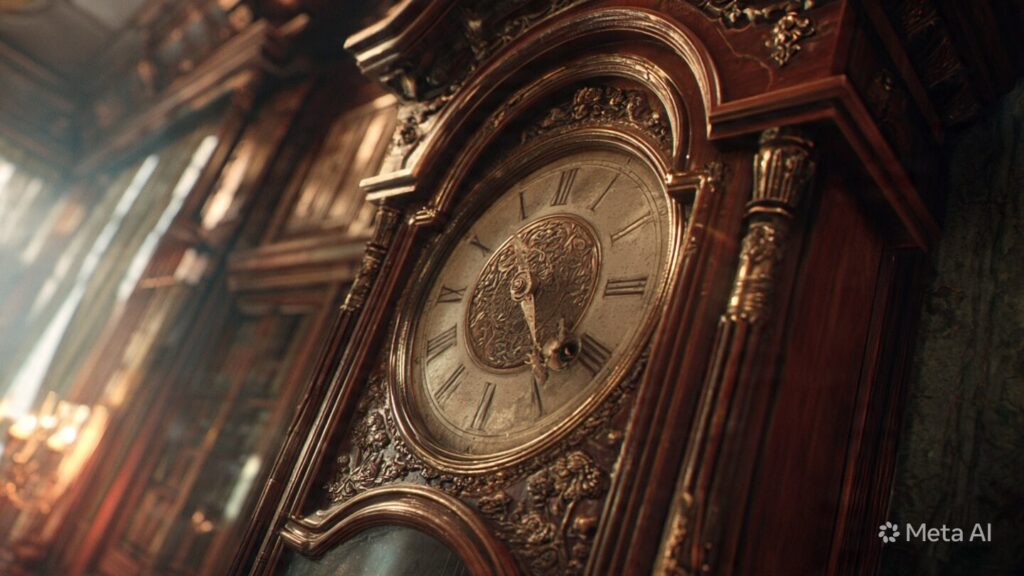
That ticking sound pulls most people right in when they’re near an old, tall grandfather clock. Not every quarter hour passes without a little melody chiming out. After that comes the hour strike – deep tones rise up, born from a heavy bell or stiff metal bars tuned just so. Taken from a well-known tower in London, the Westminster melody appears more than any other in this grandfather clock. Alongside it, tunes like Whittington and St. Michael stand out too, each carrying a character all their own.
Chimes bring a kind of sound into homes that screens just do not offer. Steady ticks and rings calm some folks, like a quiet promise that time keeps going even when everything else feels shaky. That familiar tune? It slips into family stories – dinners at Christmas, early mornings long ago, ordinary days made special by repetition. Each note ties itself to moments people hold close.
Styles and Variations
A tall case grandfather clock might surprise you with how many forms it takes, fitting just about any room or preference. Dark oak, cherry, walnut – sometimes deep mahogany – give these grandfather clock their shifting tones. Light moves through the grain like breath across skin. Edges curl with carvings, slow and winding. Aged brass glints nearby, quiet but impossible to miss. When placed where they have space – near a quiet study corner, beside a long dining table, or just inside a wide front hall – they stand like something meant to stay.
Out of today’s workshops come tall grandfather clock shaped with clean lines, trading heavy carvings for smooth simplicity. Lighter types of wood appear often, fitting spaces that value calm over clutter. Dark stains wrap some cases like shadowed sleeves, while others wear flat paint in quiet tones. These versions slide easily into homes where old-fashioned doesn’t mean ornate. Not every modern living room needs carved leaves or gilded edges – some just want time told plainly.
Warmth fills the space where Colonial and Country designs meet, fitting right into relaxed homes. Not carved deeply, but shaped by hand, the Colonial grandfather clock shows off flat panels, color-washed faces, maybe some spindled trim – easy alongside rustic kitchens or low-ceilinged rooms.
Caring for a Grandfather Clock
A steady floor matters most when setting up a tall grandfather clock. Sunlight streaming across the wood might twist the frame over the years. Heat or damp air does similar harm behind the scenes. Level ground keeps time ticking true. Before shifting the cabinet anywhere, take out the hanging weights. Pendulums need safe handling with each move. Delicate gears suffer if jostled without prep. Protection begins with patient steps. Each piece fits only one way.
Every week or so, give the grandfather clock a turn if it runs on weights – that keeps things moving right. A visit from an expert every few years helps too; they clean insides, oil metal bits, then look for damage. Done well, these steps let the good grandfather clock tick true across decades, maybe a century or longer.
A soft glow returns to brass parts when treated with mild cleaner – dial, bob, weights alike. Now and then, rubbing the wood surface brings out its depth, using just a touch of matching wax or oil.
The Grandfather Clock Passed Through Generations
It might be true that few things hold memories like an old tall-case grandfather clock handed down over time. When cared for properly, it turns into more than wood and gears – becoming a quiet thread linking now with what came earlier. Children hear echoes of their grandfather clock lives each time its chime rings through the house. Some households keep one standing where it always was, near a window or stairwell, ticking through celebrations and quiet evenings alike. Stories grow around this grandfather clock – not loud ones, but steady, told softly at dinners when someone remembers how it rang on a wedding morning.
Old grandfather clock catch the eye of many collectors. Take one crafted in the 1700s by a well-known British artisan – its worth might climb anywhere from a few grand to thirty thousand bucks. Value shifts based on how it’s held up over time, where it’s been, and just how smoothly the inner workings run alongside the beauty of its outer frame.
Conclusion
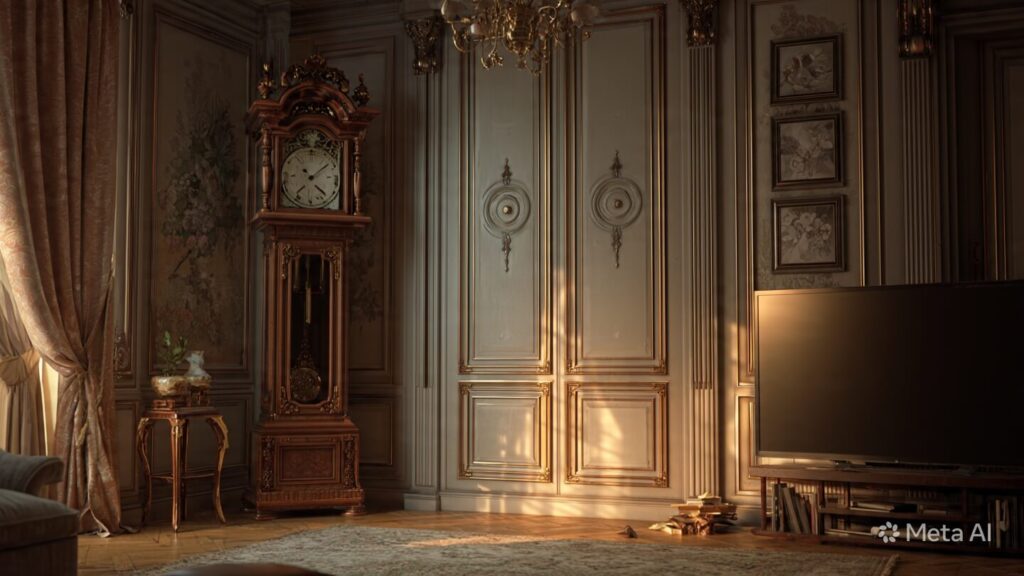
That tall grandfather clock does not just tell hours and minutes. A blend of craft, memory, and slow motion in wood and metal shapes its presence. Inside, it swings slowly, matched with faint chimes that climb one after another. Made by those who know the work, the structure holds firm, formed bit by bit into what remains. If new to owning one, or tending an old companion passed through years and people, respect comes naturally. Attention follows it, quiet and steady, like shadows moving across a floor.
FAQS
1. Who invented the grandfather clock and when?
A long case clock began appearing around 1670 in England, crafted by William Clement. Though not invented solely by him, his work helped define its early form. Because of his work on the anchor escapement, time could swing slower, deeper. The new piece held a longer pendulum, which asked for a higher wooden body. That shift brought a calmer beat, closer to true seconds. Accuracy climbed without fanfare.
2. Who first called it a grandfather clock? That detail hides in history somewhere.
A melody penned in 1876 by Henry Clay Work sparked it all – his lyrics told of a lofty clock halting at its master’s passing. Now quiet, those stiff labels – longcase, tall-case – drifted into the hush of forgotten corners. It moved quickly at first, buzzing through rooms and corridors, till calling them grandfather clocks felt as natural as breathing.
3. What are the main parts of a grandfather clock?
The top part, called the hood, holds the dial plus machinery inside. The middle section, known as the waist, lets the pendulum move back and forth. Bottom piece – base or plinth – gives steady support underneath. Gears work together with weights while escapement manages timing deep within. Each piece fits into place without extra parts nearby.
4. How do you maintain a grandfather clock?
Once a week, turn the key gently after raising the weights. Set it flat where sun rays never reach, far from warmth or damp air. A trained person should check inside every several years – wipe dust, add oil, fix what’s worn. For metal bits made of brass, rub softly using a gentle soap mix. Wood sections come alive again when coated with similar-colored wax or natural oil.
5. What determines the value of an old tall clock?
Take a clock made in the 1700s by a recognised British craftsperson – some go for only a few thousand. Smooth operation, plus origin from big-name creators, often lifts value higher. Others, running well and backed by reputation, edge near thirty thousand dollars. Not every old piece demands top price, though.