



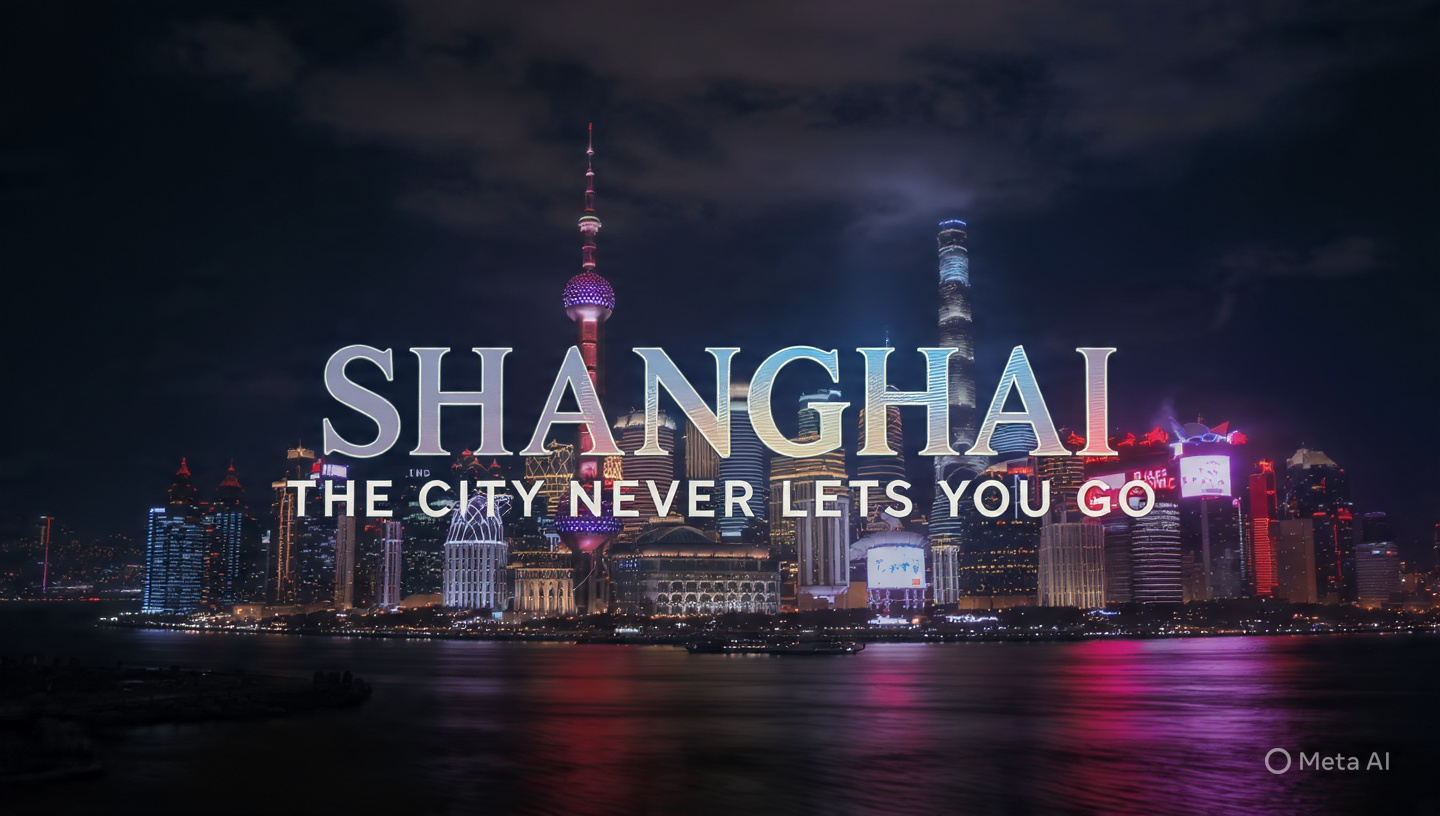
Midnight air hung thick when Shanghai first pulled me close. There I stood on the Bund, travel fatigue weighing heavily, until my eyes crossed the Huangpu. What met my gaze wiped out exhaustion in seconds. Towers in Pudong lit up the dark like some giant machine roaring to life. One glance, and it hit me – this place runs on its own rhythm. My very first night said everything.
Out near the river, Shanghai spreads wide. Home to nearly 25 million souls, it stands tall economically alongside other nations. This place has pulsed as East Asia’s main marketplace for decades. Not far off, towers gleam under shifting clouds. What sticks with you? That hum in the air – restless, vivid – like every door could open. Possibility doesn’t whisper here. It moves fast through streets, never pausing.
A Tale of Two Worlds
What catches people off guard in Shanghai? The sudden shifts. Strolling past art deco entrances beneath rows of sycamores in the French Concession feels like stepping into another country entirely. Catch the planet’s quickest passenger maglev ride, though, and within eight minutes you land at Pudong Airport – jolted back into modern reality. This city keeps doing it – sliding time periods together without a signal.
Also Read: Video&a Guide: Engaging Video by Interaction.
Down winding lanes in what folks call Nanshi, old Shanghai breathes slowly through time-worn gates. Longtangs twist like threads, carrying scents of frying dough and toasted oil from corner stalls. Women with silver hair tap tiles together under faded awnings, seated on low plastic chairs. A short ride north shifts everything – glass giants rise, their peaks lost in gray haze. The Shanghai Tower stands tallest here, its spine hitting 632 meters, brushing the skies above finance hubs. One version does not cancel the other. This city holds both truths at once.
“Shanghai doesn’t ask you to choose between old and new. It insists you embrace both – simultaneously.”
The Bund Shanghai’s Famous Waterfront
Start anywhere else, yet the Bund always pulls you back. One mile of riverfront on Shanghai’s west shore grabs more camera clicks than almost any spot across Asia. Tall offices once stood here under European flags before 1949, filled with bankers and merchants from distant shores. Architectural drama poured into stone – Gothic peaks, Baroque swirls, Neoclassical columns – rising like power made visible. Some call it Asia’s answer to Wall Street, though the name came long after steel frames were set in place.
Now these old buildings hold fancy hotels, top-tier eateries, and a few exclusive lounges. Yet everything shifts the moment you reach the edge and face the eastern waters. There – Pudong’s skyline rises: the pearl-stacked tower, that odd, open-shaped skyscraper, the twist of the Shanghai Tower – a city view hard to beat anywhere. When dark falls, the glow turns almost too rich to believe.
Morning vs. Night on the Bund
When daylight breaks, Shanghai waterfront hums with life – locals shaping slow movements in open palms, figures striding fast in identical sportswear, and elders strolling beneath small cages where birds greet the light. Wait until night pulls in, suddenly it shifts: strangers in sharp coats parade past glowing towers like scenes from a faraway script. Each moment reveals its own truth. Neither feels false.
Food as Shanghai’s Other Faith
Food gives Shanghai its heartbeat, while buildings shape what you see. Hu cuisine stands out because it is sweet, deep, and full. Meat becomes soft, shiny, almost melting when cooked low and slow with soy sauce, sugar, along with a splash of Shaoxing wine – a method honed right here. This way of braising in red-toned liquid feels like a signature, quiet but strong.
What catches newcomers off guard in Shanghai isn’t just the food, but how much of it exists. Possibly Asia’s most diverse eating destination, this place shifts flavor with every block. One morning might start with steaming soup dumplings at a restaurant older than your grandparents. By noon, earthy noodles from Yunnan appear on a chipped plate tucked inside a narrow alleyway kitchen. Evening slides into something quieter – perhaps wine and duck confit under soft lighting, still within walking distance of where you began. Few cities pack so many meals into such tight streets.
Standing at a market counter, you’ll find sheng jian bao – crispy on the bottom, soupy inside, best eaten fast before it scalds your hands. The moment steam hits skin, Shanghai reveals itself through these golden pork parcels. Burnt fingertips? Part of the ritual. A story made of scent, sizzle, and spice unfolds one bite at a time. This is how the city feeds its people.
Culture and Creativity in Today’s Shanghai
Out of nowhere, Shanghai bold artistic flair caught everyone off guard these past ten years. Not long ago, the West Bund was just forgotten factories along a silent riverfront – now it pulses with galleries. One after another, places such as the Long Museum rose where cranes once stood. Even repurposed oil tanks now hold curated exhibitions under concrete domes. Step inside the Yuz Museum, and it feels less like visiting art than stepping into someone’s vivid sketchbook. London may boast its Southbank, yet this stretch along the Huangpu answers with quiet confidence. Who saw that coming? Few did.
Music hums through Shanghai like a live wire. Hidden jazz spots tucked into old lanes of the French Concession pulse just as hard as massive electronic shows lighting up Pudong skies. A loose, open vibe runs deep here, one that lets ideas breathe without pressure to conform. Artists, fresh out of school or shifting continents, land in this city hoping to shape something real. You feel it walking past street corners where sound spills from basements, shops, rooftops – everywhere alive with trial and noise.
The French Concession: A Creative Hub In Shanghai
Start among cobblestones where Shanghai breathes through old sycamores. Morning light cuts across the corners of coffee spots that roast beans on site. Records spin behind glass in narrow lanes not built for crowds. Books find shelves in quiet stores tucked beside back alleys. Designers open small rooms full of things made once, then never again. Europeans walked here long ago, yet the rhythm now belongs entirely to locals. Architects pause between meetings to watch people pass. Writers take notes without touching paper. Ideas cross paths near doorways painted red. Being present means something different when history hums underfoot.
Getting Around Shanghai
Start exploring Shanghai by stepping underground. Its rail web stretches wide – twenty routes threading through more than five00 stops. This network ranks among Earth’s biggest, yet it feels calm, spotless, and rarely late. Signs speak two languages: characters locals read, plus words visitors understand. The ride costs less than you’d guess. To wander off track here takes effort, like aiming wrong on purpose.
Out past the subway lines, folks in Shanghai have taken to ride-hailing apps – especially DiDi – with real energy. Instead of just cars, more people now choose bikes, thanks to fresh lanes built only for cycling and sharing systems popping up everywhere. Motion defines the place: quick steps, nonstop rhythm, always headed somewhere.
Why Shanghai Lingers in Memory
Each city shapes memory in its own way. Shanghai stays with you – a mix of unease and spark. This place gives the sense that life runs ahead, just out of reach, pulling everything forward at full speed. Not pressure. Excitement, real and sharp. The rhythm grabs hold before you notice.
Curiosity finds its match in Shanghai. Down each alleyway, surprise waits without warning. Step into a market instead of walking past – suddenly there’s smoke, spice, voices thick in the air. Reach the top of some narrow stairwell to a rooftop spot? The skyline pins you in place. Moments like these shift how you see things. Talk happens when you least expect it. Tastes stick around longer than they should. Views do more than just fill your eyes.
Back in Shanghai three times now, ever since that blurry first evening by the river. Every visit feels different – buildings stretch higher, rhythms speed up, odd new details pop out where you least expect them. With every return, the place nudges a quiet truth: certain cities do not fade when you leave. Instead, they stick around inside your head, like echoes you never asked for but cannot shake off.
Should you find yourself near Shanghai, go. Hesitation has no place here. This city moves fast, always ahead, never pausing for anyone.